Fall of Warness, Eday
EMEC's tidal energy test site
Key Facts
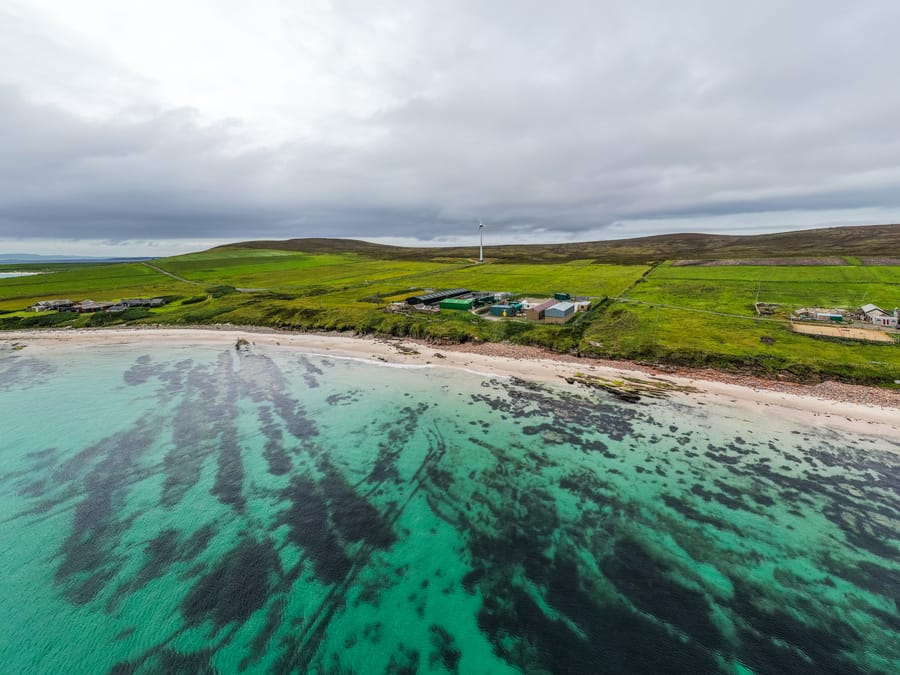
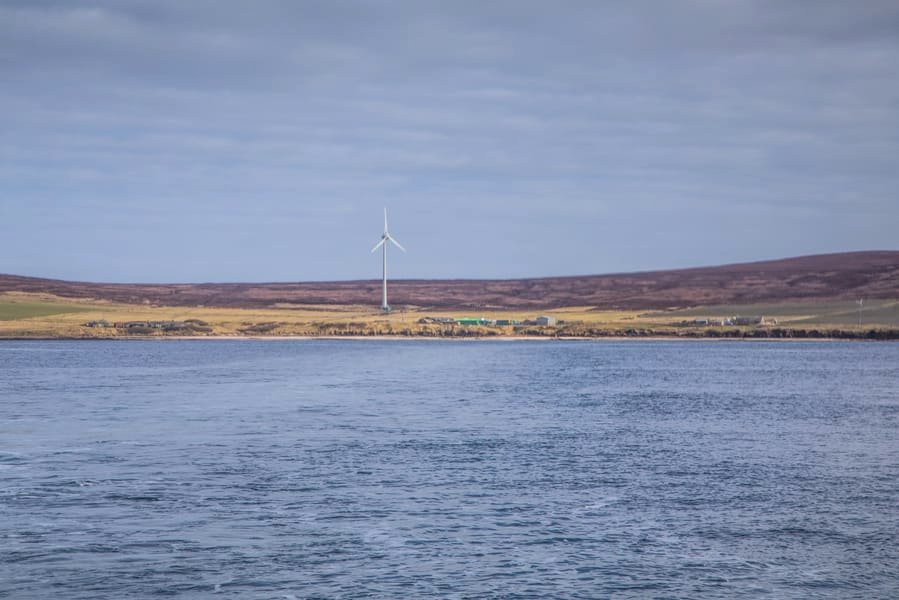
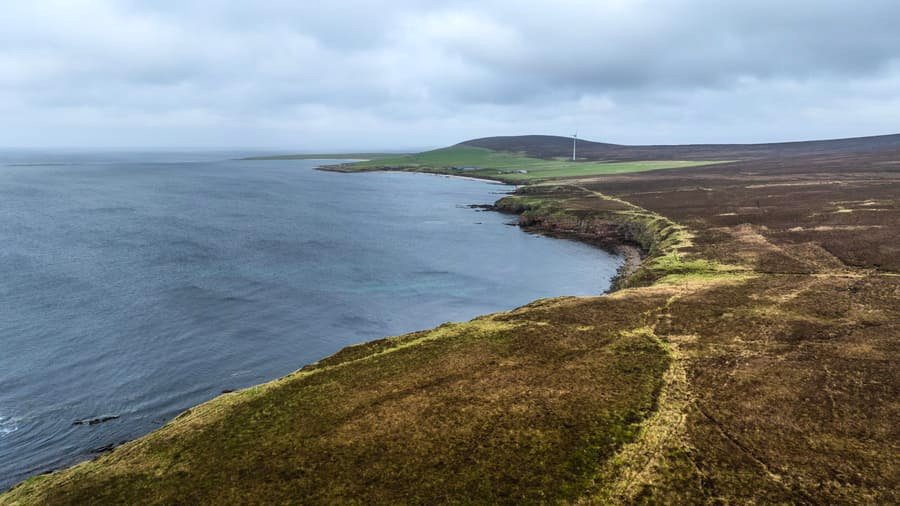
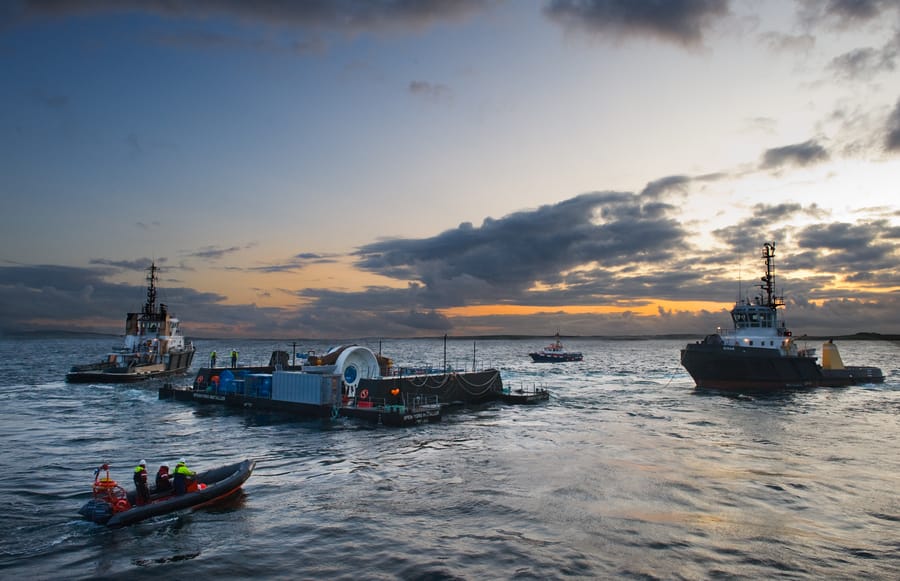
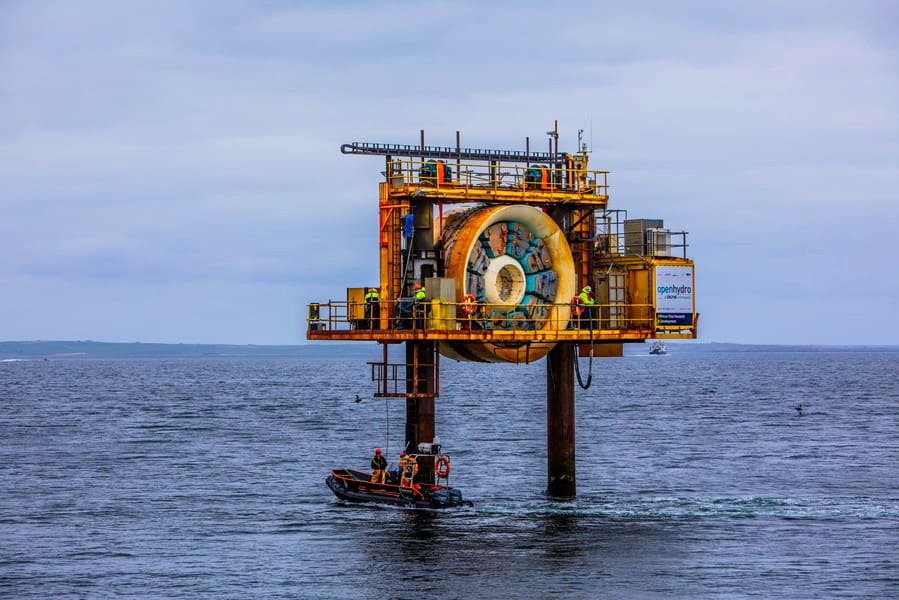
Off the west coast of Eday lies the Fall of Warness, a narrow channel where some of Orkney's strongest tidal currents flow and the home of EMEC’s grid-connected tidal energy test facility.
Tidal energy is created by the gravitational pull of the moon and sun, which causes the sea to rise and fall in predictable cycles. As water moves between the Atlantic Ocean and the North Sea, it is funnelled through the narrow channel known as the Fall of Warness, accelerating the flow and creating exceptionally strong tidal currents. These powerful natural forces make the Fall of Warness an ideal location for testing tidal energy technologies, where developers from around the world can trial full-scale devices in open sea conditions.
At peak spring tides, currents can reach almost 4 metres per second (7.8 knots), with around half a billion tonnes of seawater surging through the channel every hour. These challenging conditions help developers understand how their technologies perform before they are deployed elsewhere.
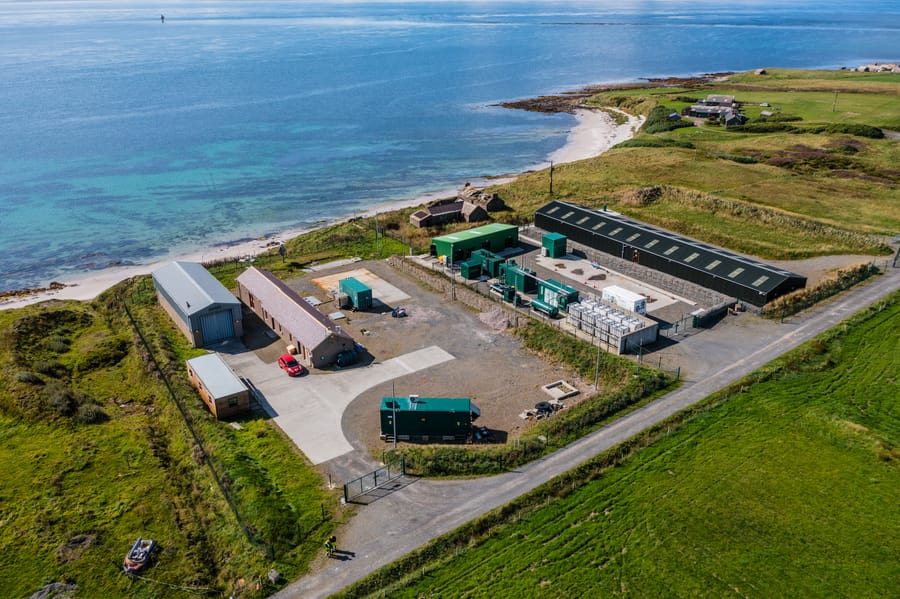
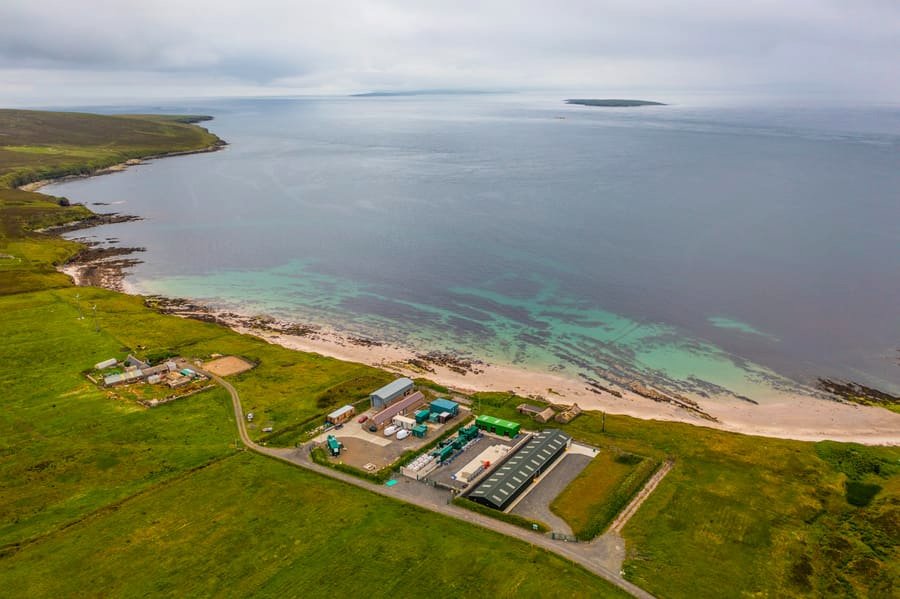
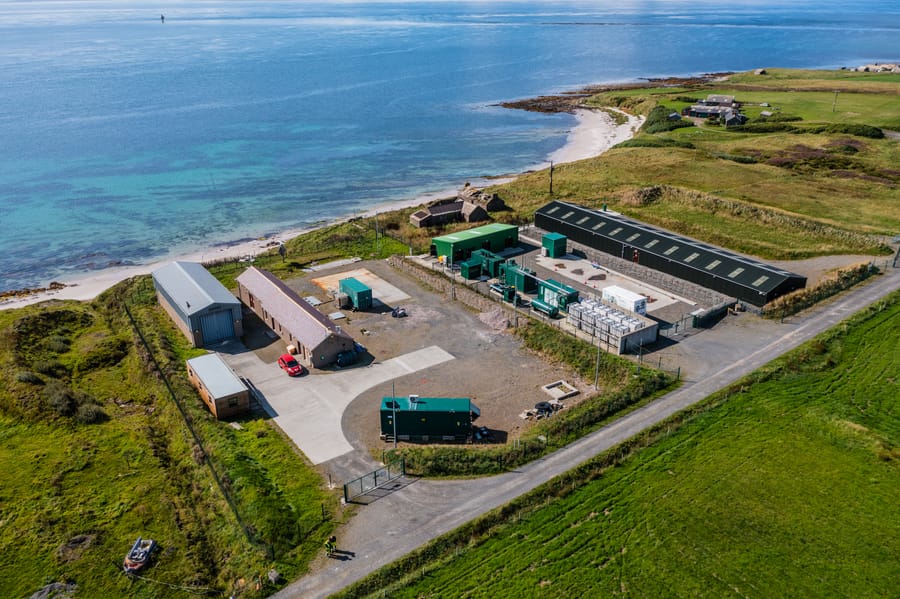
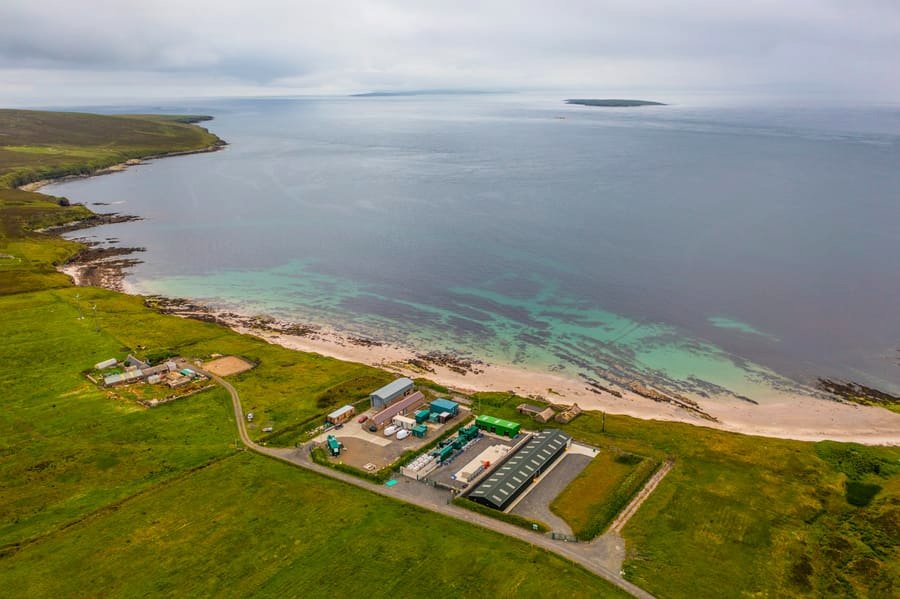
Spread across a 4-kilometre stretch of sea, the site features seven tidal test berths connected to shore by subsea cables. Electricity generated by the devices is carried onshore to EMEC's substation at Caldale on Eday before being fed into the national grid, allowing technologies to be tested under real-world operating conditions.
EMEC provides a range of monitoring services that can give more information about tidal flow speeds, sea conditions and device performance, helping developers improve and refine their technologies.
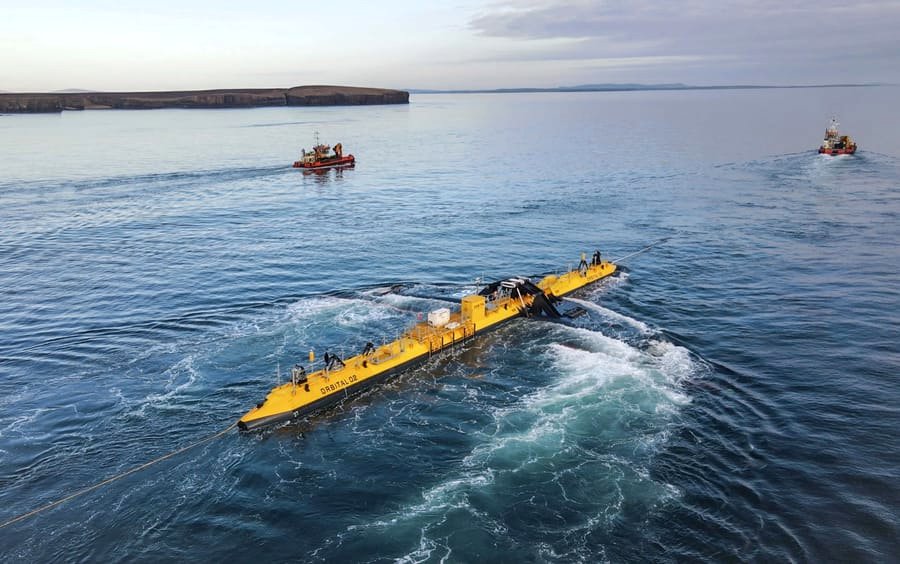
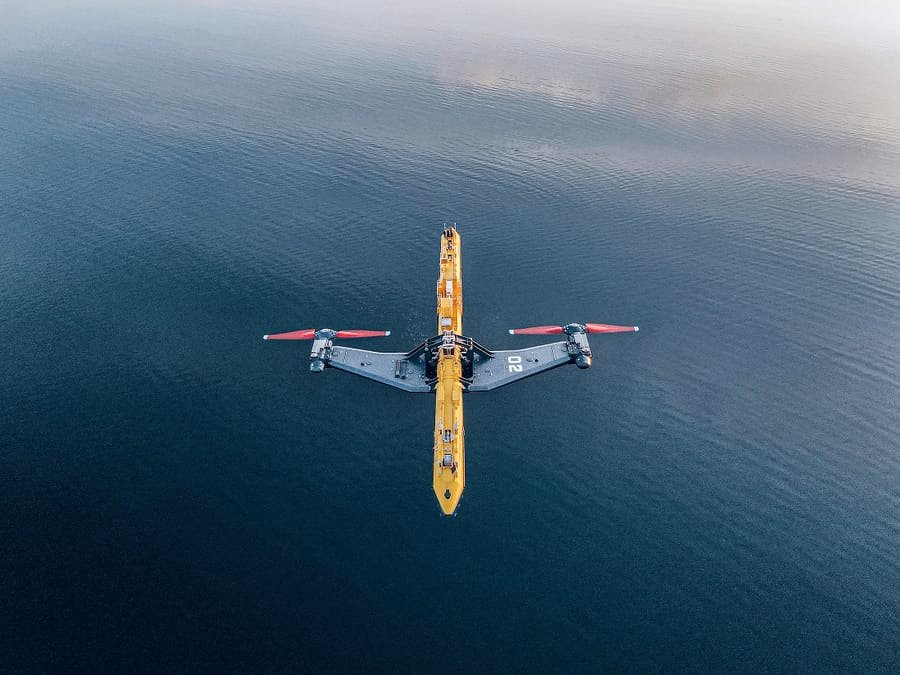
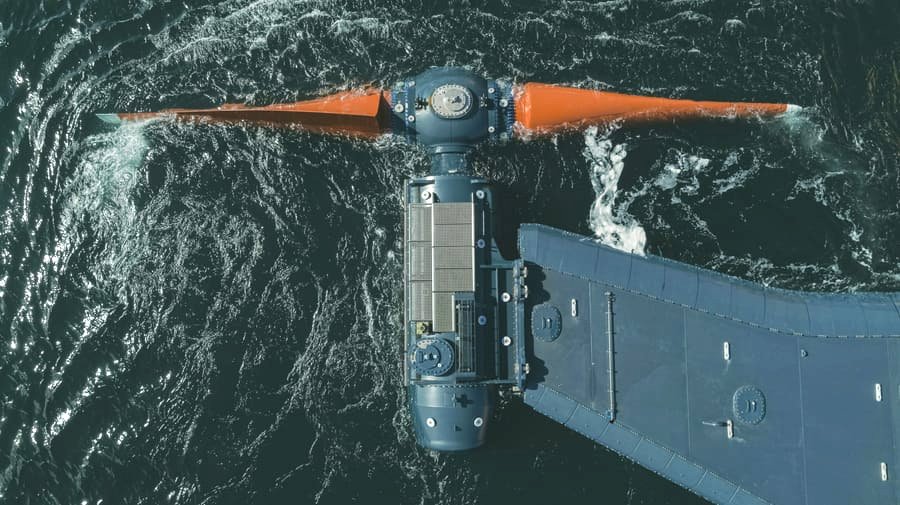
Over the years, the site has welcomed some of the most innovative tidal energy developers from around the globe. Today, it hosts the Orbital O2, the world’s most powerful tidal turbine. From this narrow channel between Orkney's islands, technologies tested in local waters have helped advance tidal energy development around the world.
-132.jpg?dpl=6ab1381d40a9490008629c4b)
-90.jpg?dpl=6ab1381d40a9490008629c4b)