
Ness of Brodgar & Barnhouse neolithic settlements
Ancient energy sources in Neolithic settlements
Key Facts
-1.jpg)
Situated within the Heart of Neolithic Orkney UNESCO World Heritage Site, the settlements of Ness of Brodgar and Barnhouse form part of a remarkable ceremonial landscape that also includes the Ring of Brodgar and the Standing Stones of Stenness. Together, they offer an extraordinary glimpse into life in Orkney more than 5,000 years ago.
Occupied for over a millennium, Ness of Brodgar was a large and complex settlement containing more than 30 substantial stone-built structures. Some walls still survive to heights of over one metre, with many buildings featuring multiple hearths at their centre. Archaeologists believe the site was an important gathering place where people from across Orkney came together to celebrate significant times of the year, with large-scale feasting playing a central role.
These gatherings required huge amounts of fuel. During the Late Neolithic, around 3000 BC, Orkney's landscape was not the largely treeless environment we know today. Patches of woodland existed alongside areas of peat and turf, all of which provided valuable sources of fuel. Scientific analysis of deposits from the Ness hearths has revealed evidence of burnt peat, turf and wood charcoal, showing that a variety of fuels were regularly used.
Wood charcoal studies indicate that birch was the most commonly burnt timber, often from medium and large tree trunks, suggesting that trees were deliberately felled for fuel. Smaller amounts of willow, fruit tree species such as crab apple or hawthorn, and driftwood have also been identified. Pollen records from the nearby Loch of Stenness suggest that tree cover declined during the period the Ness was occupied, likely reflecting the demand for wood fuel.
Excavations over more than two decades have revealed exceptional detail about everyday life at the settlement. Ash from the hearths, together with food waste and other discarded material known as midden, was spread around the buildings, gradually building up layers that eventually engulfed many structures. Midden was also packed into the walls of some buildings, possibly providing additional insulation.
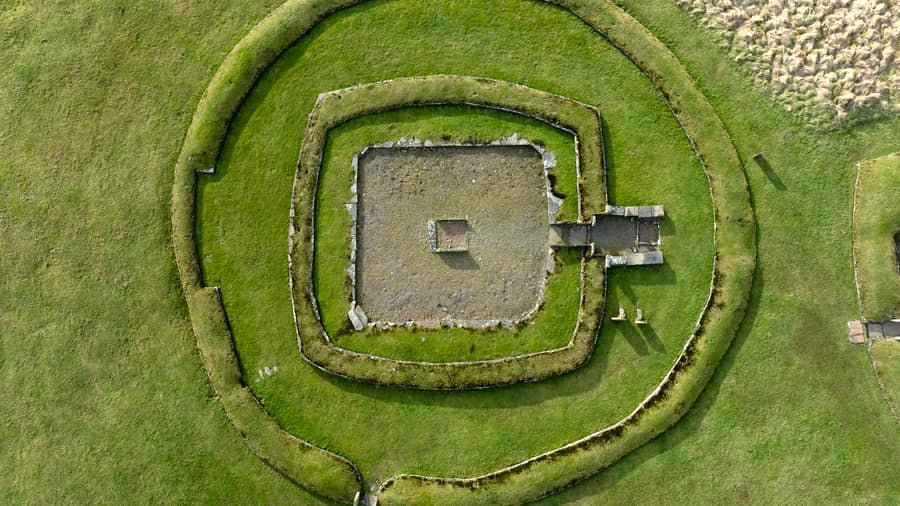
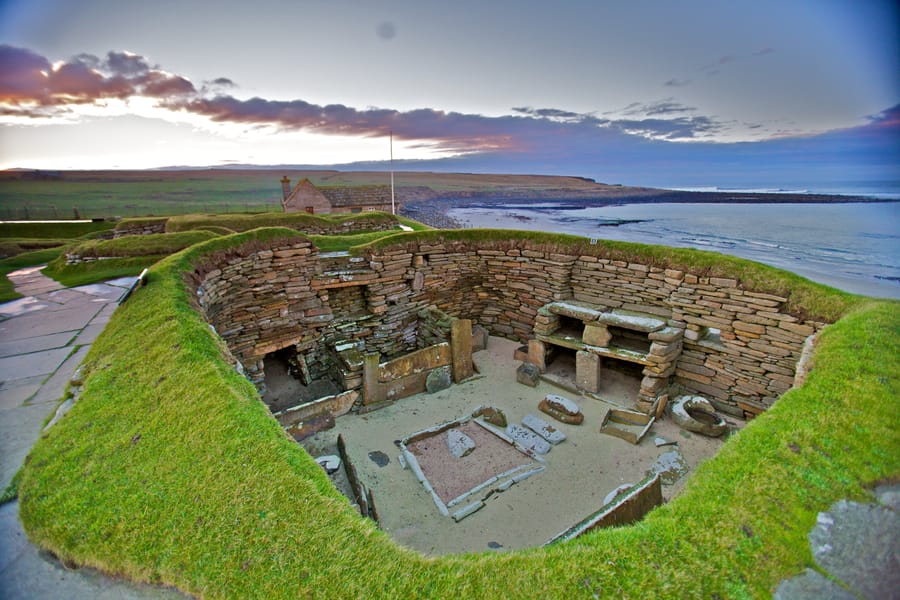
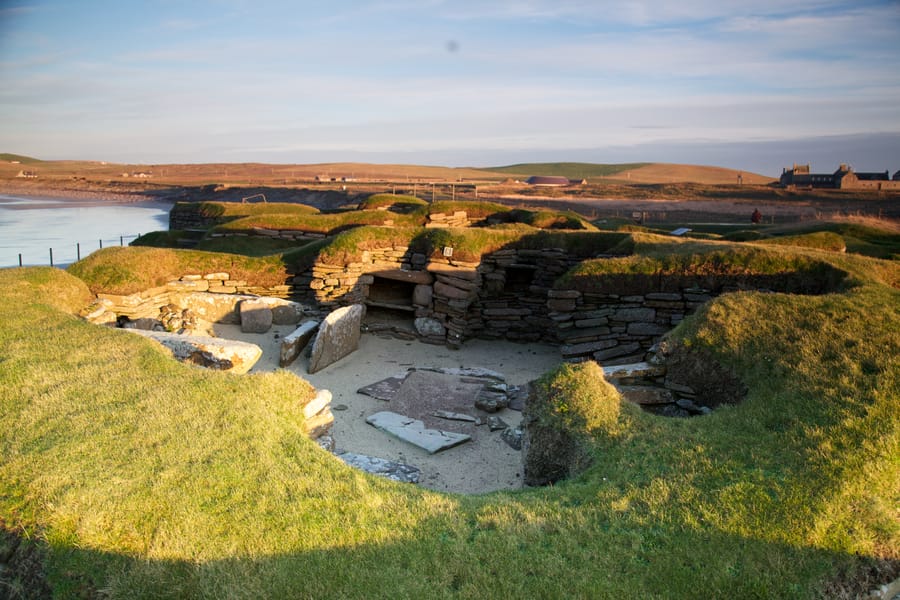
Nearby Barnhouse consisted of a village of around twelve houses, excavated during the 1980s. Although less well preserved than the buildings at Ness of Brodgar, enough survived to allow archaeologists to reconstruct the settlement. Other Neolithic settlements in Orkney at Skara Brae, West Mainland and Knap of Howar, Papa Westray can also be visited. These houses share many similarities in design and layout with those at the Ness, offering further insight into how Neolithic communities lived, worked and kept warm in Orkney's challenging climate.
-1.jpg?dpl=6a8c675c14a457000852260d)
-19.jpg?dpl=6a8c675c14a457000852260d)
-25.jpg?dpl=6a8c675c14a457000852260d)
-28.jpg?dpl=6a8c675c14a457000852260d)
-29.jpg?dpl=6a8c675c14a457000852260d)
-1.jpg?dpl=6a8c675c14a457000852260d)
-7.jpg?dpl=6a8c675c14a457000852260d)
-14.jpg?dpl=6a8c675c14a457000852260d)
-4.jpg?dpl=6a8c675c14a457000852260d)
-6.jpg?dpl=6a8c675c14a457000852260d)
-11.jpg?dpl=6a8c675c14a457000852260d)
-2.jpg?dpl=6a8c675c14a457000852260d)
-7.jpg?dpl=6a8c675c14a457000852260d)
-1.jpg)
-19.jpg)