
Peat cutting and restoration
Orkney’s peatlands heritage and future
Key Facts
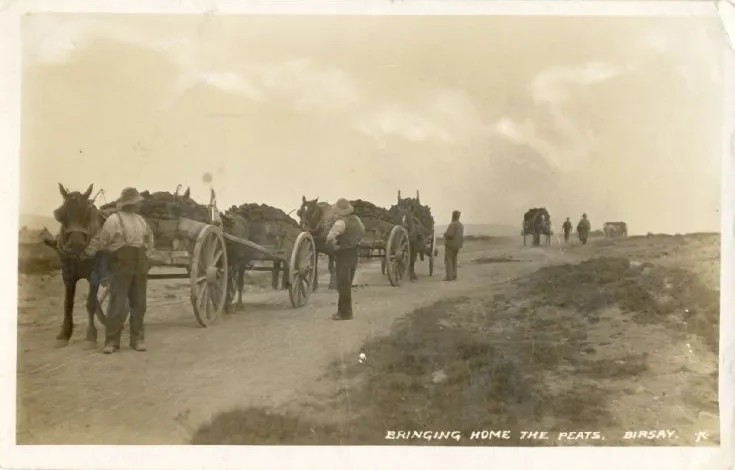
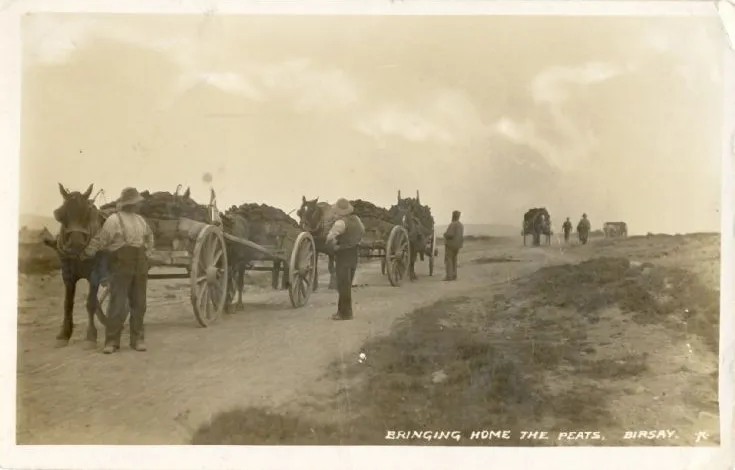
For centuries, peat has shaped life in Orkney. Where trees were scarce, peat became the essential fuel that warmed homes, powered hearths, and supported island communities. Although Orkney’s peatlands make up only around 9% of its landscape, they were historically of enormous cultural and practical value. The island of Hoy, with its deep blanket bogs covering 74% of its land, has long been one of Orkney’s most peat‑rich areas.
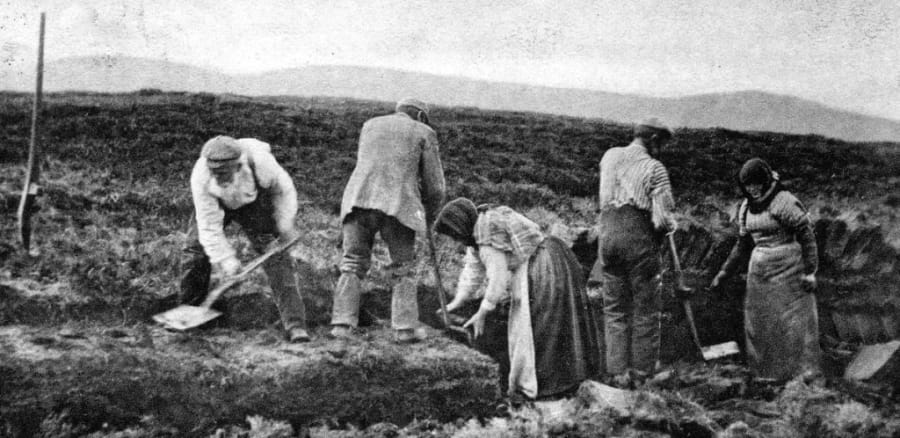
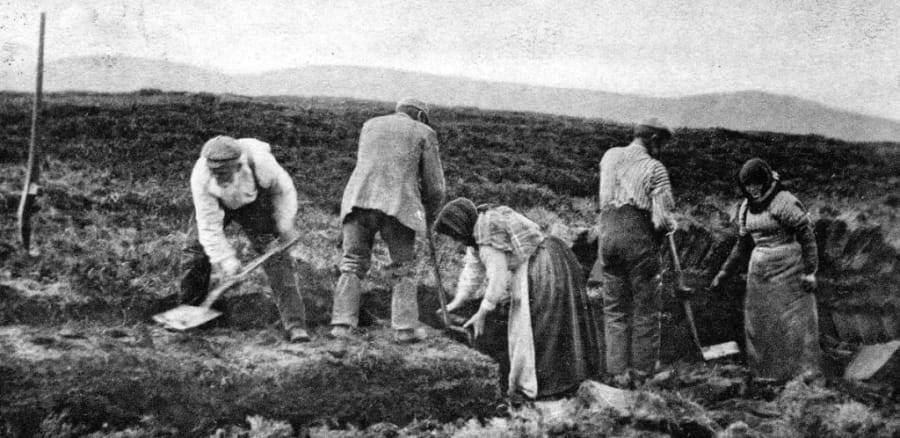
Traditional peat cutting was a communal activity tied closely to crofting life: families would spend days on the moor cutting, stacking, and drying peats for winter. The work was hard but sociable, and the marks of past cutting can still be seen across many island hillsides.
In the 20th century, peat use in Orkney gradually declined as coal, oil, and electricity became widely available. Today, active domestic peat cutting continues only at a small scale, and the focus has shifted towards restoring the peatlands that remain.
Modern restoration in Orkney is driven by the recognition that healthy peatlands are among the planet’s most effective carbon stores. When degraded, however, peatlands release carbon into the atmosphere. Restoration efforts in Orkney, led largely by conservation partners and supported through initiatives such as Peatland Action, aim to re‑wet damaged sites, block old drains, and revive natural moss growth.
Orkney’s peatlands are increasingly recognised as a valuable environmental asset. Their protection marks a return to viewing peat not as a resource to be consumed, but as a living landscape, one that holds stories of past island life while playing a vital role in a low‑carbon future.
-1.jpg?dpl=6ab1381d40a9490008629c4b)
-2.jpg?dpl=6ab1381d40a9490008629c4b)
-6.jpg?dpl=6ab1381d40a9490008629c4b)
-9.jpg?dpl=6ab1381d40a9490008629c4b)
-12.jpg?dpl=6ab1381d40a9490008629c4b)
-18.jpg?dpl=6ab1381d40a9490008629c4b)
-19.jpg?dpl=6ab1381d40a9490008629c4b)
-1.jpg)